The short answer
Good heated beds and pads warm to a low, steady temperature close to a cat's body heat, use a thermostat or timer, and have a chew-resistant cord. Always leave an unheated spot nearby. Self-warming pads reflect body heat with no power at all.
Options
| Bed or pad | Longest side |
|---|---|
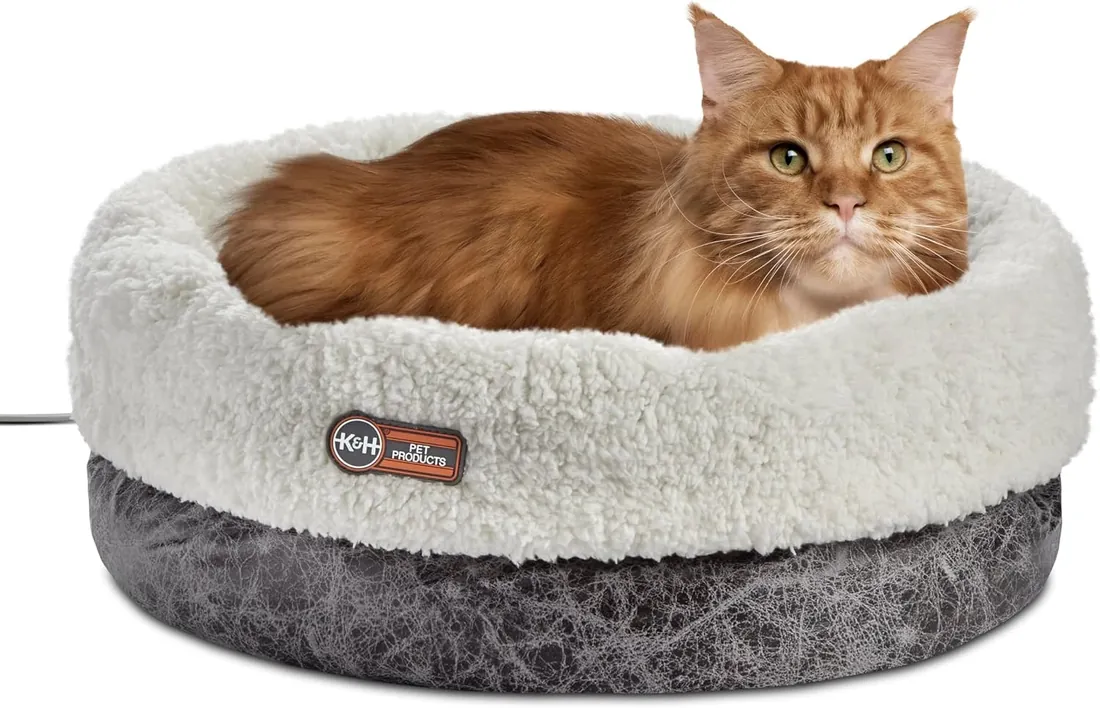
| K&H Pet Products Thermo-Snuggle Cup Bomber Heated Bed | 18 in |
| K&H Pet Products Lectro-Soft Heated Outdoor Bed 1070 | 18 in |
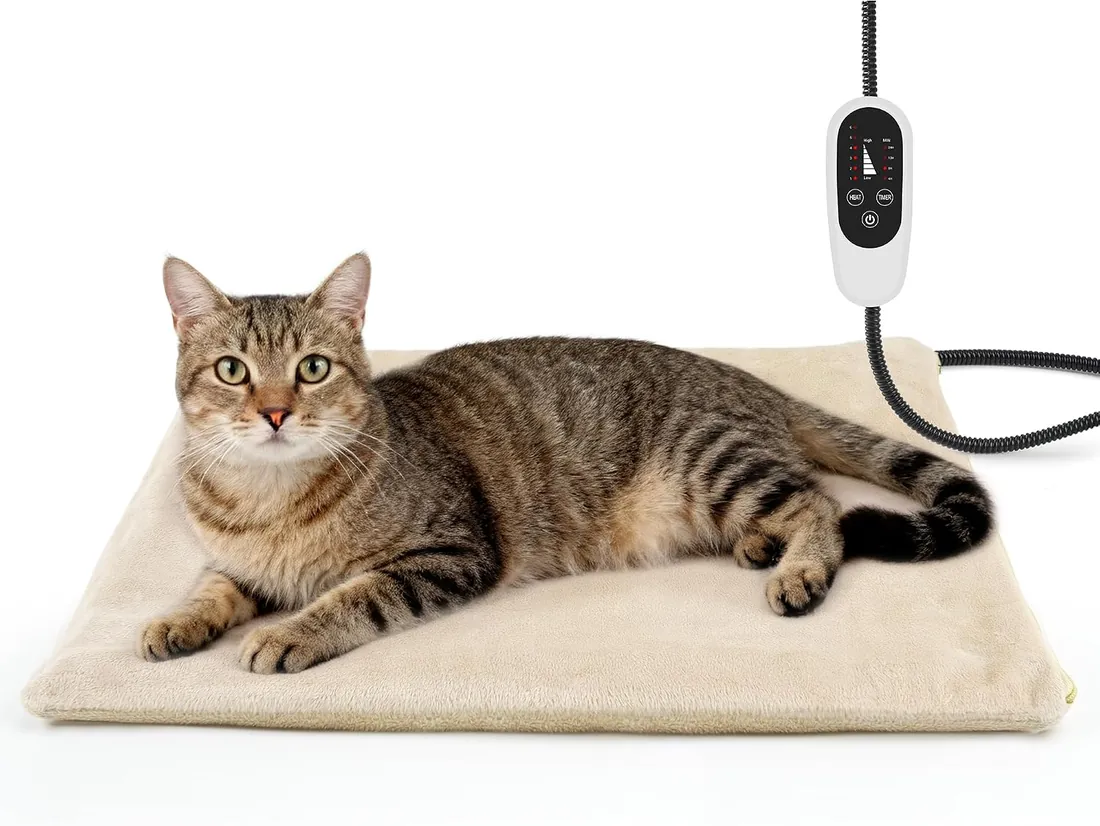
| NICREW Adjustable Heating Pad TK-HPP4540A | 17.7 in |
| GASUR Heated Cat Bed with Timer | 18 in |
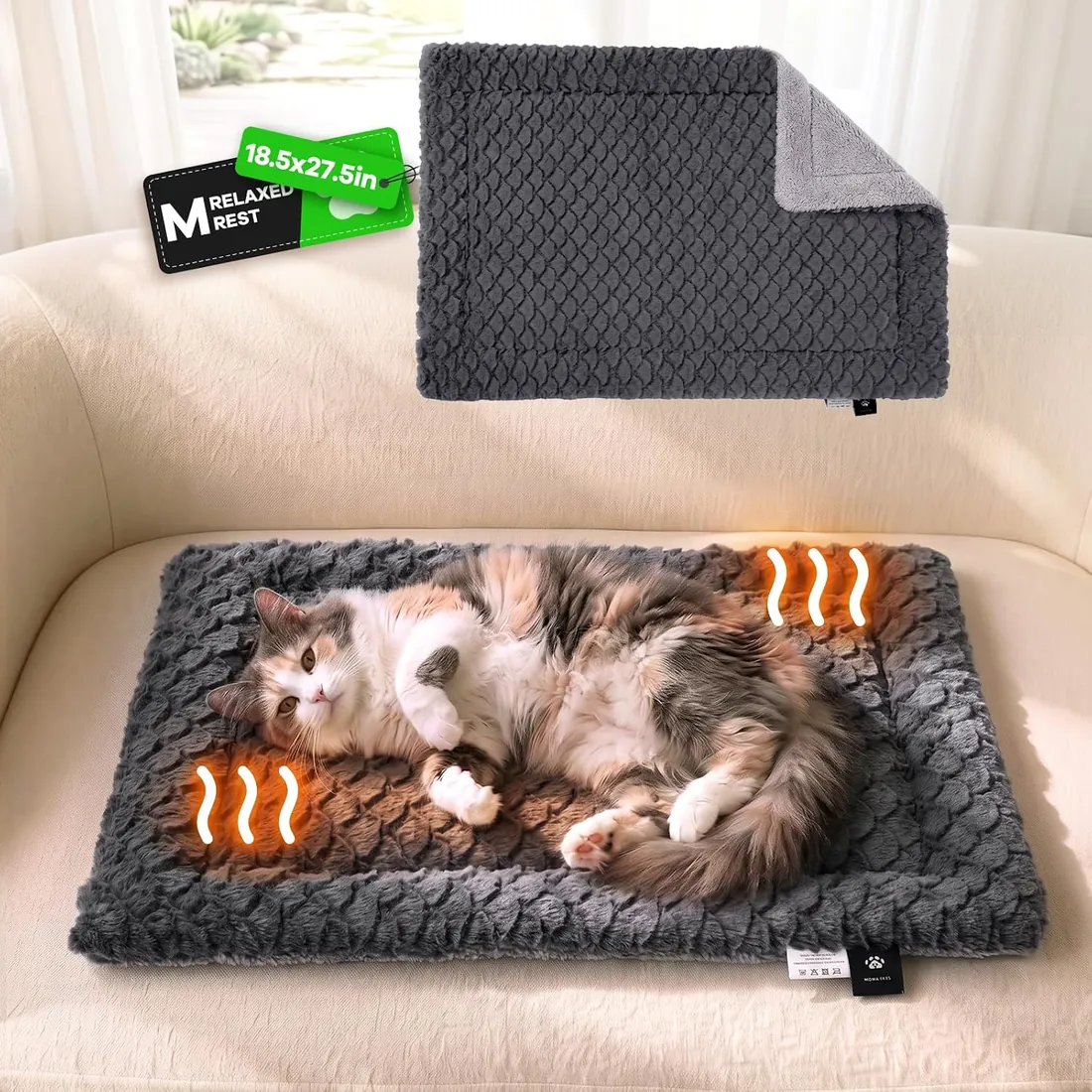
| Mora Pets Self Warming Cat Pad | 27.5 in |
Safety checklist
- Choose low-wattage pads with a thermostat or adjustable settings.
- Look for a chew-resistant or steel-wrapped cord.
- Put the pad under a blanket, never on bare skin for long naps if the maker says so.
- Leave an unheated area so your cat can move off.
Who benefits
Senior and arthritic cats, thin or hairless cats, and outdoor or barn cats benefit most. Healthy young cats usually do fine with a self-warming pad.
SafetyCheck pads and cords regularly; replace any that are damaged.
Products mentioned
Questions readers ask
Can I leave a heated cat bed on all day?
Low-wattage beds made for pets are designed for it; follow the maker's guidance and leave an unheated spot.
What's a self-warming pad?
A pad with a reflective layer that bounces your cat's body heat back, with no power.