The short answer
A carrier should let your cat stand and turn around, have a maker weight limit above your cat's weight, and ideally a top-loading door, which makes vet visits far calmer. For flights, check your airline's under-seat size; expandable carriers give more room once you're seated.
Weight limits
| Carrier | Max cat weight | Longest side |
|---|---|---|
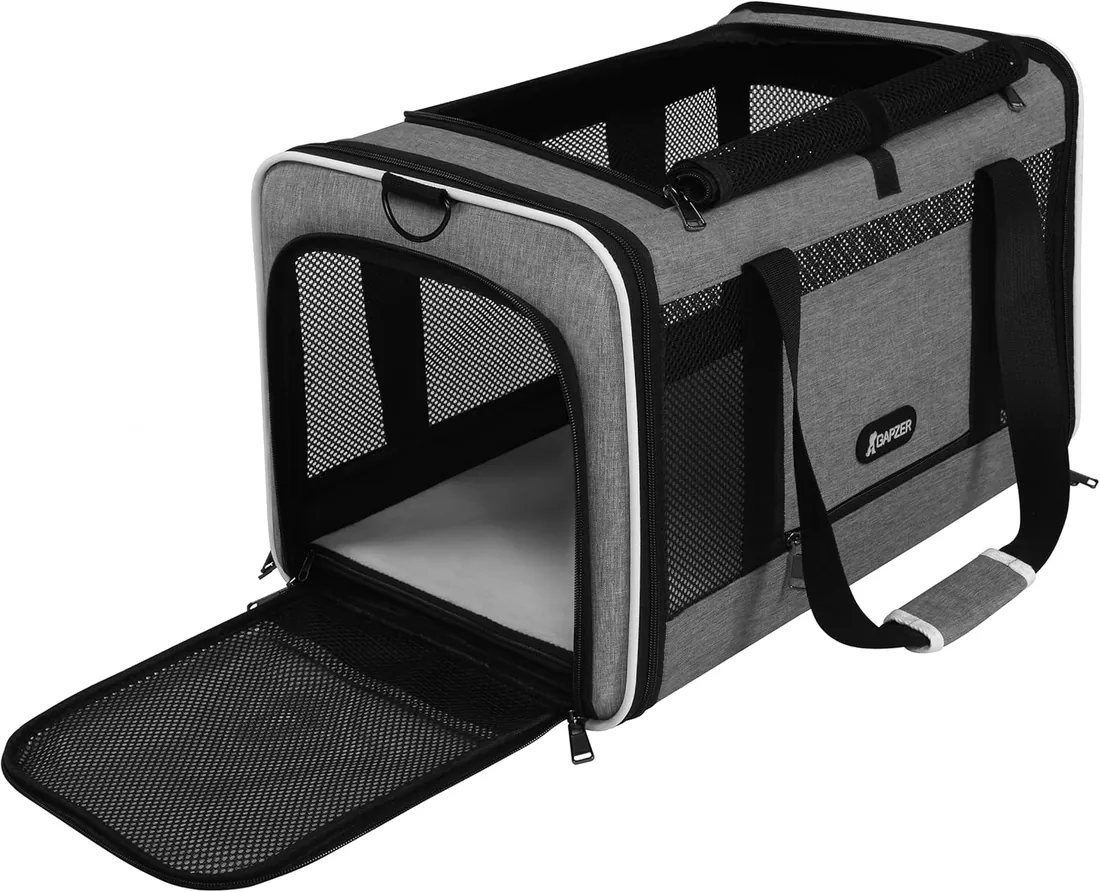
| GAPZER Top-Load Cat Carrier 18 x 11 x 11 | 20 pounds | 18 in |
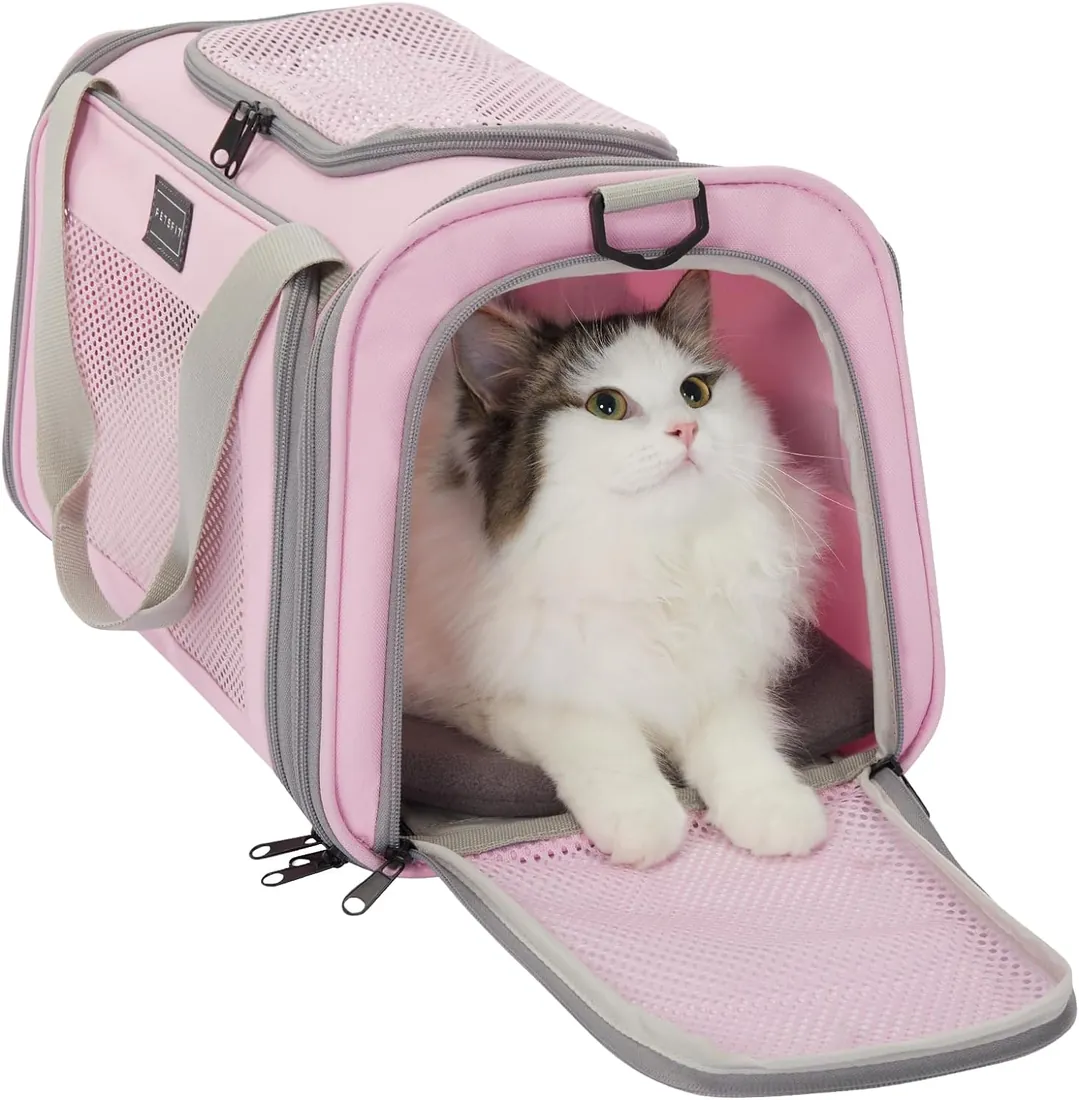
| Petsfit Airline Cat Carrier 17.5 in | 12 pounds | 17 in |
| TDHDIKE Expandable Airline Carrier G100 | 15 pounds | 29.8 in |
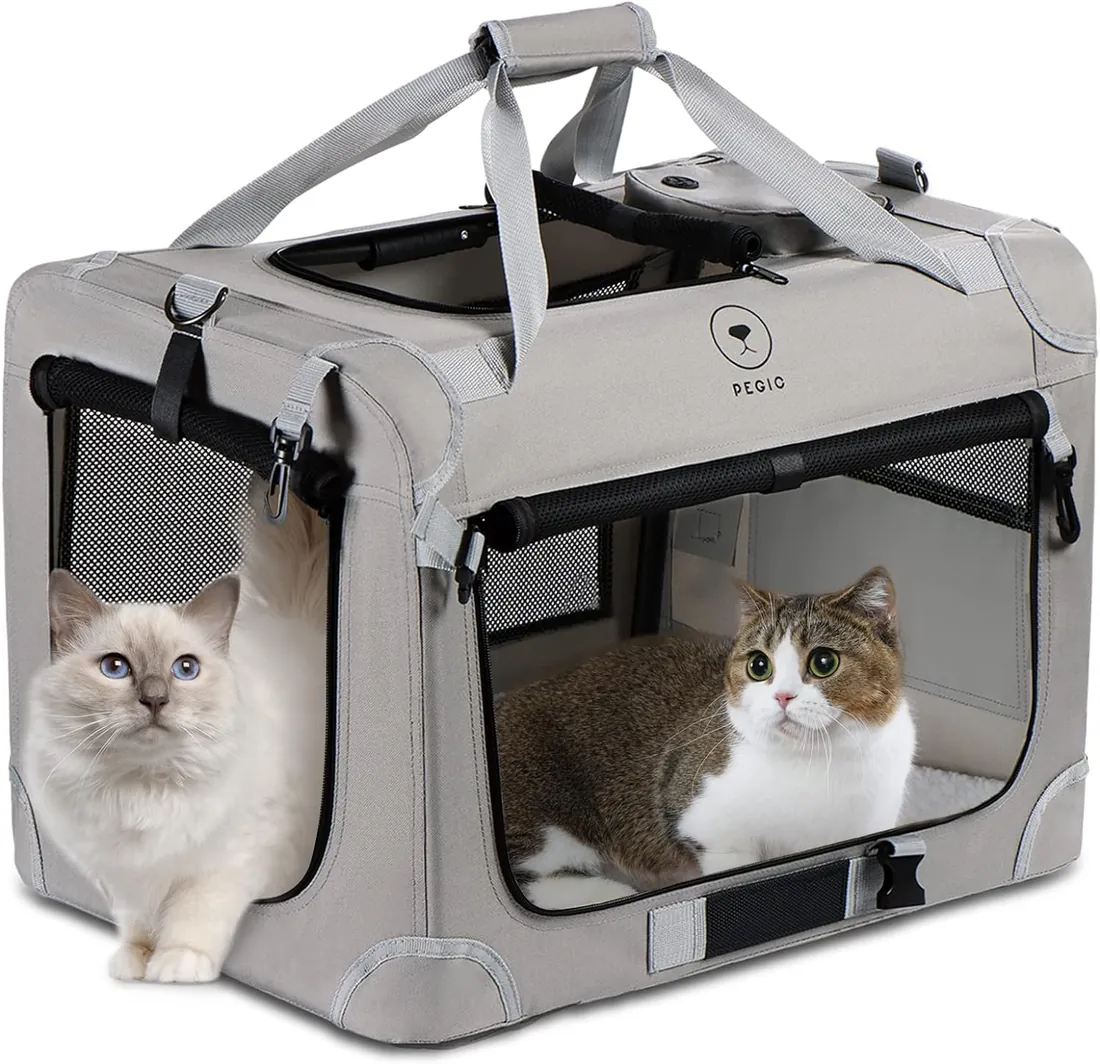
| PEGIC Extra Large Carrier for 2 Cats | Not stated | 24 in |
| Pawaii Expandable Cat Carrier US-PC01 | 13 pounds | 16.9 in |
Vet visits
- Leave the carrier out at home with a blanket so it isn't only for the vet.
- Top-loading doors let you lower a cat in rather than push it through the front.
- Cover the carrier with a towel in the car.
Two cats and strollers
For two cats that get along, a double carrier such as Pegic saves a second trip. Strollers like Pawccoli give seniors outdoor time.
Car safety
SafetyBelt the carrier in or put it on the floor behind a seat; never let a cat loose in a moving car.
Products mentioned
Questions readers ask
What size carrier does a cat need?
One your cat can stand and turn around in, with a weight limit above its weight.
Hard or soft carrier?
Hard carriers are easier to clean; soft ones are lighter and fit under airline seats.